CHASP Advisory is conducting a Post-Distribution Monitoring (PDM) exercise for UNICEF’s Circle of Care and Support Pilot in Kasarani Sub-County, Nairobi, implemented in partnership with the Government of Kenya and other stakeholders. The assignment focuses on the Unpaid Care Programme, which supports caregivers of persons with disabilities through cash transfers and complementary non-cash interventions.
CHASP Advisory is providing strategic qualitative research and evidence generation support to the International Potato Center (CIP) and the Soroti Sweetpotato Producers and Processors Association (SOSPPA) under the Global Agriculture and Food Security Program (GAFSP)-funded project, Strengthening Productive Capacity and Resilience of Smallholder Sweetpotato Producer Organisations in Uganda. The initiative aims to improve the livelihoods of more than 20,000 smallholder farmers by strengthening market systems, promoting value addition, and expanding commercialisation opportunities across Uganda's Teso sub-region.
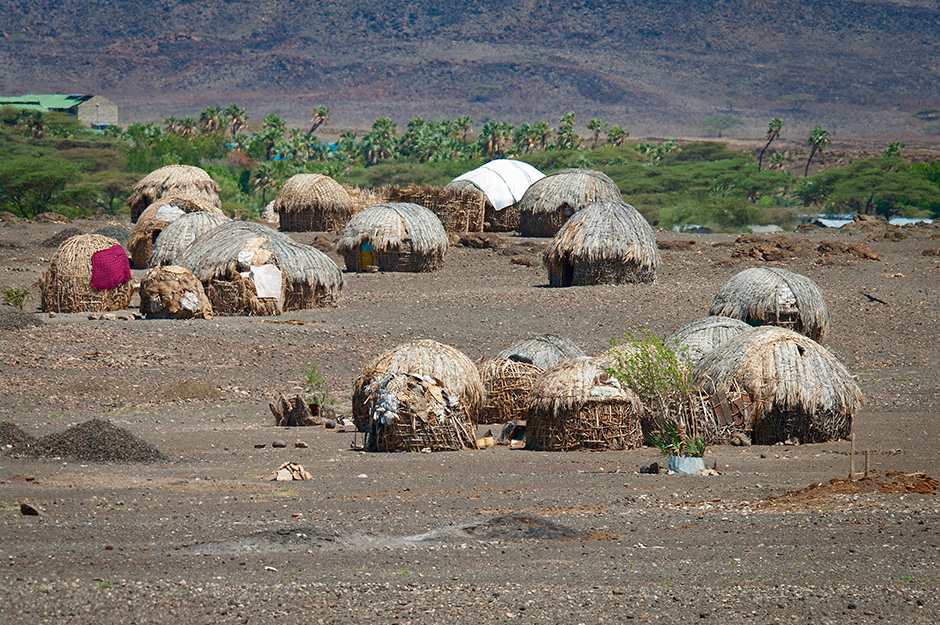
The Kuza Jamii programme seeks to move beyond cash transfers toward more sustainable social protection approaches by expanding access to economic opportunities for extremely poor households in three Kenyan counties: Wajir, Samburu, and Turkana.
Kuza Jamii II—Transforming Communities is a six-month Economic Inclusion Program implemented by Village Enterprise, CHASP Advisory, Echo Network Africa Foundation (ENAF), Smart Regional Consultants (SRC) and Generation for Change and Development (GENCAD) with support from the UK Government.
The programme seeks to move beyond cash transfers toward more sustainable social protection approaches by expanding access to economic opportunities for extremely poor households in three Kenyan counties: Wajir, Samburu, and Turkana.
Kuza Jamii II - Transforming Communities is a six-month Economic Inclusion Program implemented by Village Enterprise, CHASP Advisory, Echo Network Africa Foundation (ENAF), Smart Regional Consultants (SRC) and Generation for Change and Development (GENCAD) with support from the UK Government.
Kenya has officially launched the Kenya Ultra-Poor Graduation Strategy (KUPGS) 2025–2030, a national framework designed to integrate the graduation approach into government policy and expand pathways for the poorest households to achieve self-reliance.
The Kaduna State Ultra Poor Graduation (UPG) Management Information System (MIS) initiative marks a major milestone in strengthening digital infrastructure for social protection and economic inclusion programming in Nigeria. The project, commissioned by the Kaduna State Social Investment Programme Agency (KADSIPA) in partnership with Village Enterprise with technical support from CHASP Advisory, seeks to establish a robust, user-centred MIS that will enable more efficient delivery, monitoring, and evaluation of UPG interventions across Kaduna State.
Kuza Jamii II is a six-month bridging program implemented by a consortium of five partners: Village Enterprise, Generation for Change and Development (GENCAD), Smart Regional Consultants (SRC), Echo Network Africa Foundation (ENAF), and CHASP Advisory to support the Government of Kenya's transition toward full ownership and implementation of the national Economic Inclusion Programme (EIP) under KSEIP II.
For many refugees in Kenya, displacement has stretched far beyond the short term, with some having lived in the country for decades. Their needs go beyond emergency aid. They require access to education, healthcare, and livelihoods, just like anyone else. Social protection systems are designed to meet such needs, offering a safety net that supports people through life’s uncertainties. Yet, for refugees, inclusion in these systems remains a major challenge.