Kuza Jamii II is a six-month bridging program implemented by a consortium of five partners: Village Enterprise, Generation for Change and Development (GENCAD), Smart Regional Consultants (SRC), Echo Network Africa Foundation (ENAF), and CHASP Advisory to support the Government of Kenya’s transition toward full ownership and implementation of the national Economic Inclusion Programme (EIP) under KSEIP II.
The program seeks to promote sustainability and resilience among vulnerable households while strengthening government systems and coordination mechanisms to enable the Government of Kenya to fully assume leadership in delivering integrated social and economic inclusion services across Garissa, Isiolo, Mandera, Marsabit, and Tana River counties in Kenya.
Building on the gains and lessons of Kuza Jamii Phase 1 (April 2024–March 2025), which successfully piloted an integrated model for household economic inclusion across eight arid and semi-arid counties in northern Kenya, Kuza Jamii II continues to reinforce institutional capacity and cross-sectoral collaboration.
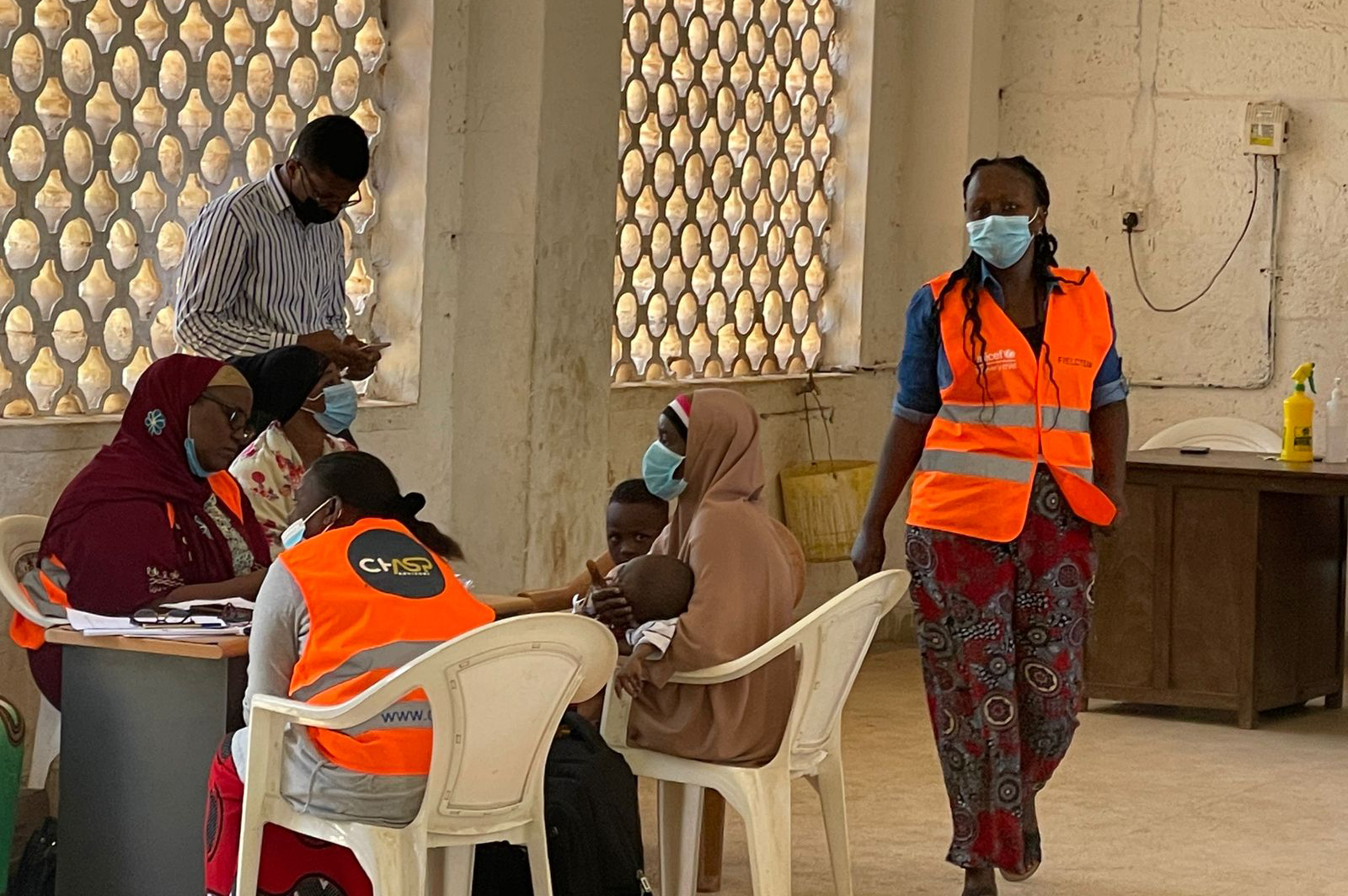
CHASP Advisory is supporting the Government of Kenya to strengthen institutional capacity for delivering tailored, inclusive, and cost-effective social and economic inclusion services across the five counties and refugee settlements in Dadaab. This involves enhancing government systems and coordination mechanisms through five key workstreams:
- Targeting (ESR) supports data access, validation, and community engagement.
- BWC Strengthening focused on framework adoption, training, and sensitisation.
- Shock Response, which builds readiness through guideline development, validation, and training.
- CDMIS enhancement, addressing data integration, monitoring, and capacity building.
- MACT Coordination, which promotes cross-sectoral collaboration, EIP committee functionality, and joint monitoring.
Through these efforts, CHASP Advisory is helping ensure government structures are fully equipped to deliver coherent and effective economic inclusion programmes.